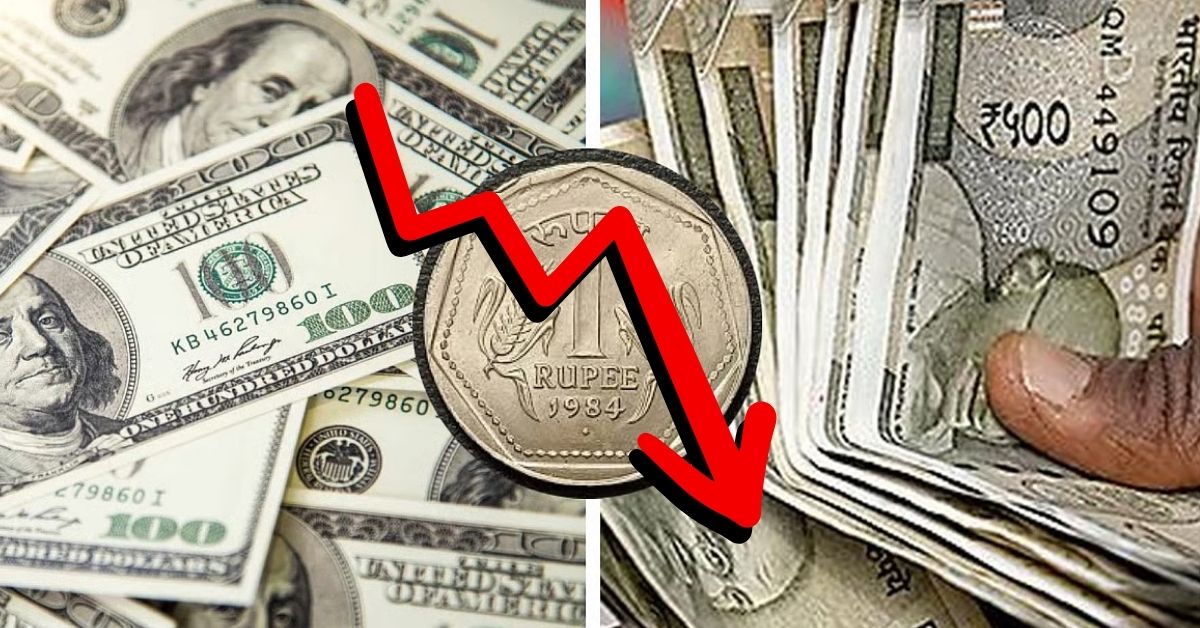
On 1 December 2025, the Indian rupee slid to a record low of 89.7575 against the U.S. dollar, before closing at 89.5475 — underscoring persistent pressure on India’s currency despite robust economic growth.According to analysts, the weakness stems from sluggish foreign trade and portfolio flows, plus the absence of a major trade deal with the United States.
The drop in the rupee comes on the back of a strong economic performance — India recently reported a third-quarter GDP growth of 8.2%, one of the fastest among major economies.Yet, that growth has not translated into currency strength, highlighting the fragility of capital flows and external pressures.
For importers, a weaker rupee means higher import costs and inflation risks; for exporters, it could offer competitiveness, but only if global demand holds. For markets and regional neighbours — including Pakistan — the development serves as a reminder of how even high growth doesn’t guarantee currency stability. As global capital remains cautious and trade uncertainties persist, the rupee’s slide may continue to influence regional remittances, trade balances and cross-border investor sentiment.